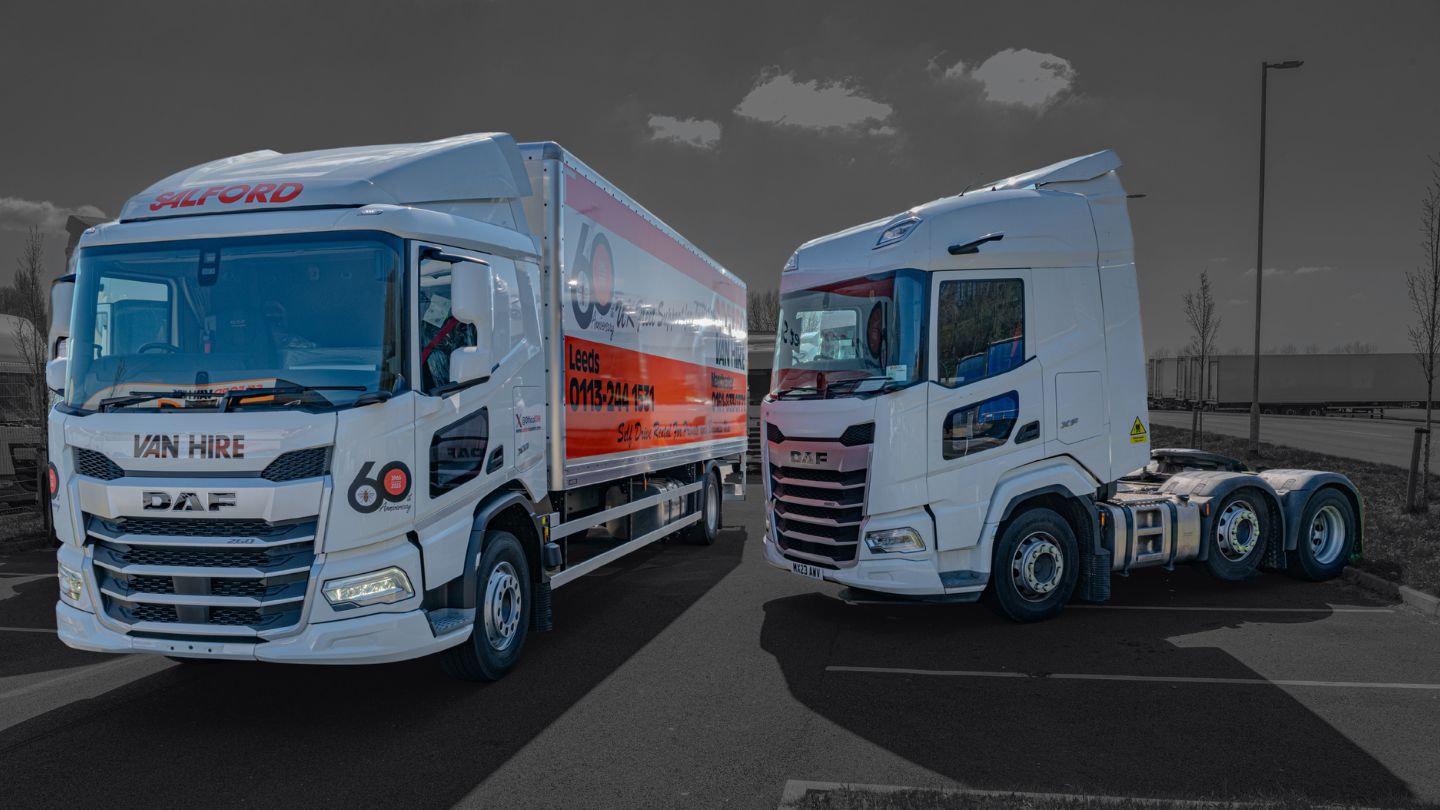
Choosing a fleet partner is one of the longest‑lasting decisions in operational management. Once contracts and processes are in place, switching is painful. Doing real due diligence at the start saves years of pain later.
Green flags
- Independently owned with a long track record
- Real physical infrastructure (sites, workshops, ATF accreditation)
- Transparent rate framework with clear inclusions
- Dedicated account management as standard
- Willingness to provide TCO comparisons using your real data
- Long‑standing customer references at scale
- Clear position on compliance (DVS, O‑licence, tachograph)
Red flags
- Headline rates with vague inclusions
- Punitive end‑of‑contract clauses
- Subcontracted maintenance with no audit trail
- No DVSA accreditation for HGV testing
- Unwillingness to share customer references
- Account management that changes constantly
- Unclear position on compliance changes
The questions that surface the truth
- What's your average VOR time?
- Where is the maintenance actually done?
- What's the standard escalation path?
- How do you handle DVS in London?
- Can I speak to a customer of similar size?
How SVH measures up
- Independent for 60+ years
- Three major UK sites, including a 21‑acre HGV workshop
- DVSA‑accredited ATF MOT centre
- Transparent pricing across QuickHire, OptiRent and CoreHire
- Dedicated account management as default
Why this matters more than the rate
A 5% rate difference matters once. A bad partner choice costs years of operational drag. Get the partner right, and the rate becomes a footnote.
Want fleet due diligence done properly? Talk to SVH.