Vehicles tend to fail at the worst possible moment — peak season, biggest customer, longest route. Knowing exactly what to do in the first hour can be the difference between a small disruption and a serious operational hit.
Step 1 — Make the vehicle safe and document everything
Get the vehicle off the road safely, photograph any visible issues, and capture the load, the time and the location. This protects you for insurance and contract purposes.
Step 2 — Call your fleet partner first, not last
Many businesses waste valuable hours trying to fix a problem before they reach out for help. A fleet partner with capacity and engineering capability will almost always be faster than a roadside repair on a peak day.
Step 3 — Get a like‑for‑like replacement on the road
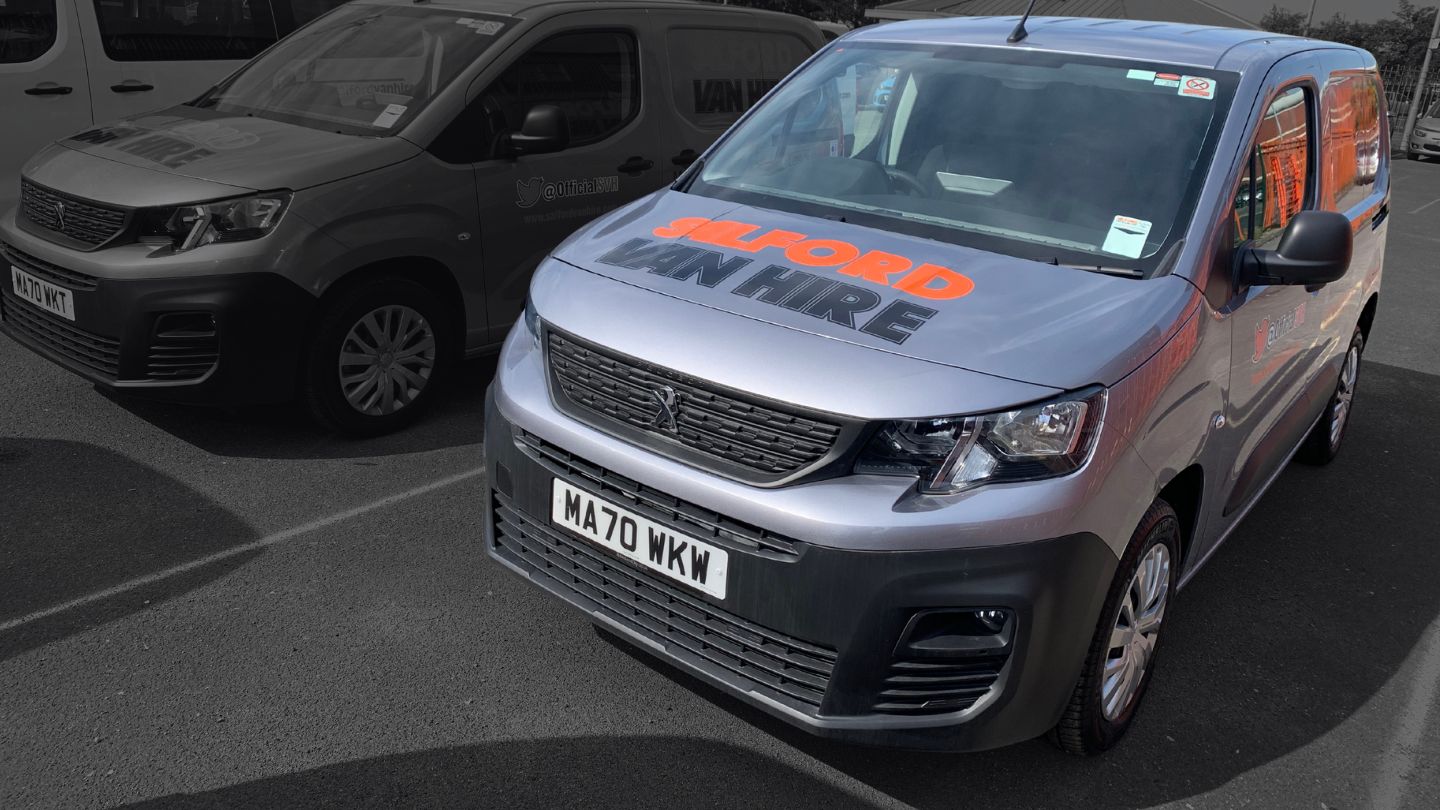
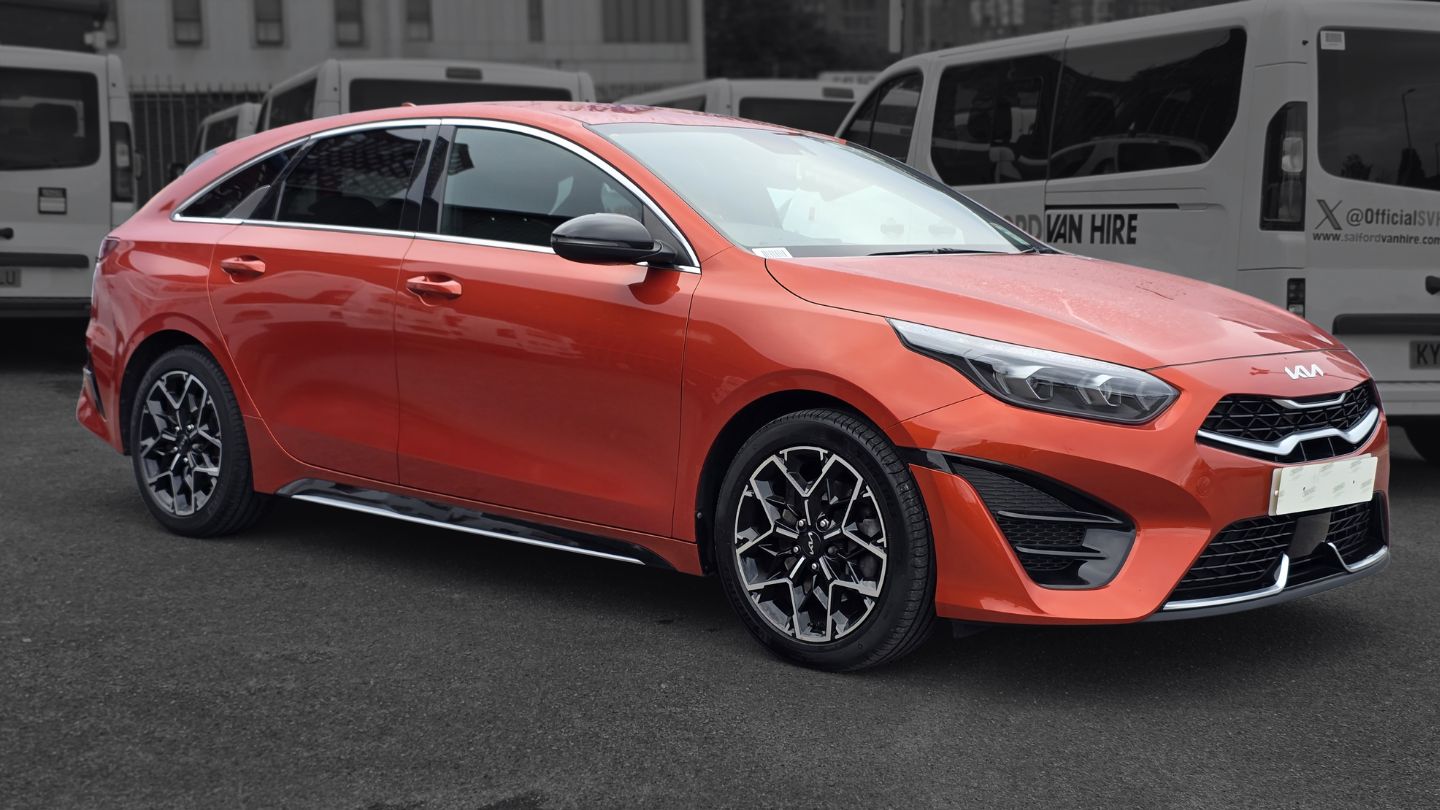
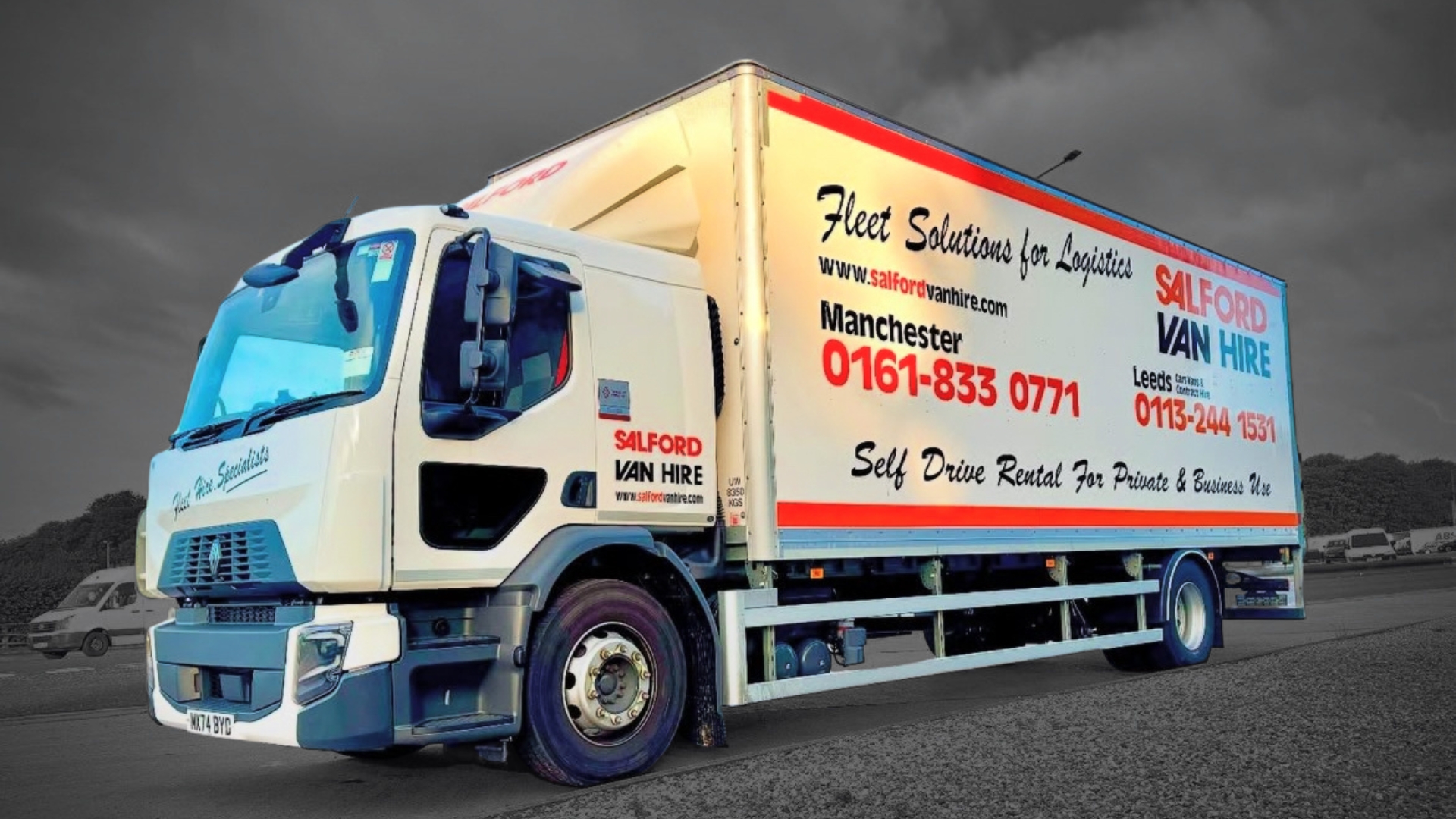
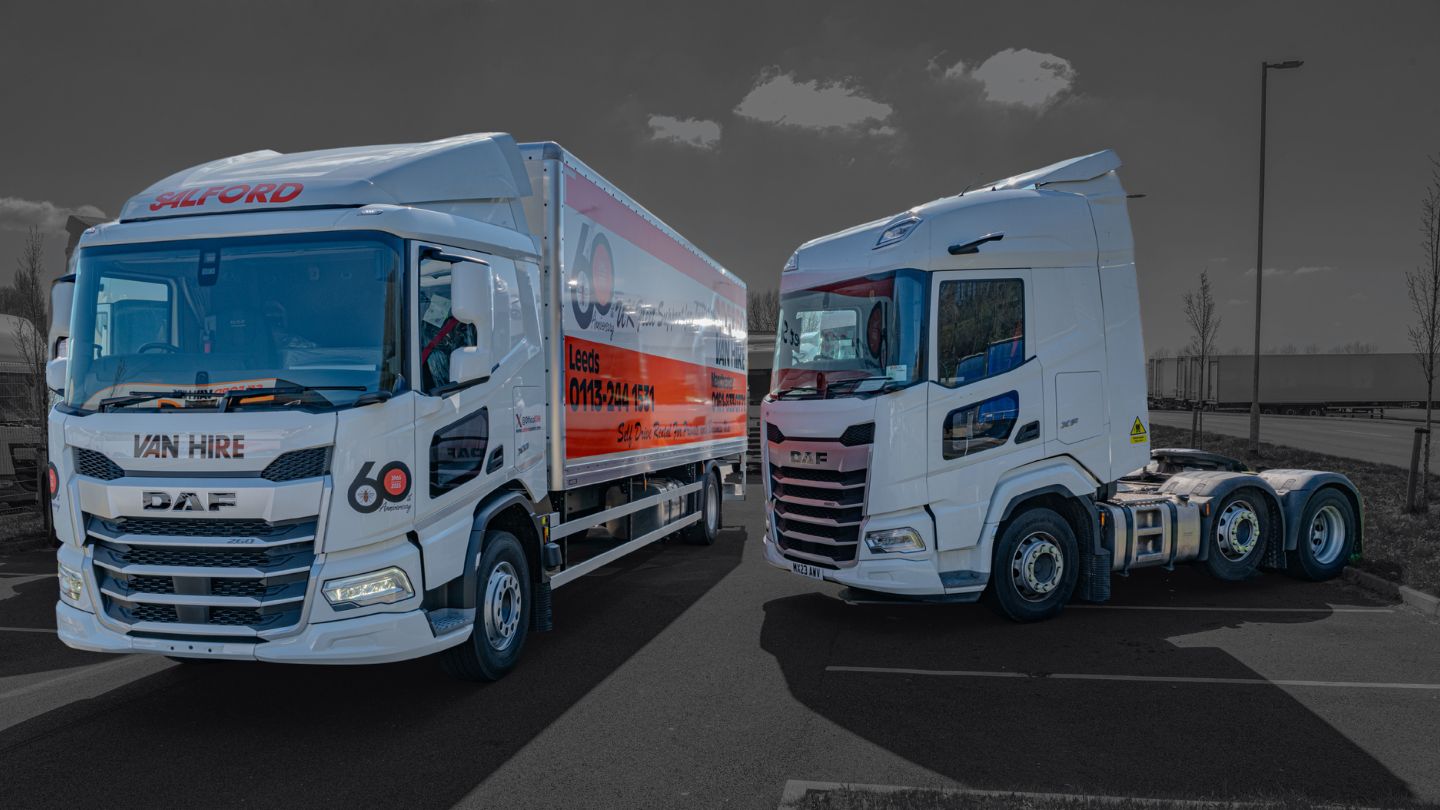
This is where SVH QuickHire shines. Our fleet covers cars, LCVs (6cwt to 3.5t), rigids (7.5t–26t), tractor units (4×2 and 6×2), and trailers (curtainsider, box, fridge). That breadth means we can usually match what's failed without retraining a driver or rebooking a route.
Step 4 — Use the breakdown to refine your plan
After the dust settles, talk to your account manager about:
- Pre‑agreed emergency terms so the next failure is faster
- Combining QuickHire with OptiRent or CoreHire for a layered fleet
- Switching the failed vehicle to a fully maintained CoreHire contract
Why an Authorised Testing Facility matters here
When the unexpected happens, you want a partner whose own fleet is maintained to the highest possible standards. Our DVSA‑accredited ATF MOT lanes, laden brake testing and in‑house engineering team mean fewer surprises and faster recovery — for our vehicles and yours.
Mid‑season breakdown? Don't wait. Call SVH and we'll work out an emergency replacement plan in minutes.