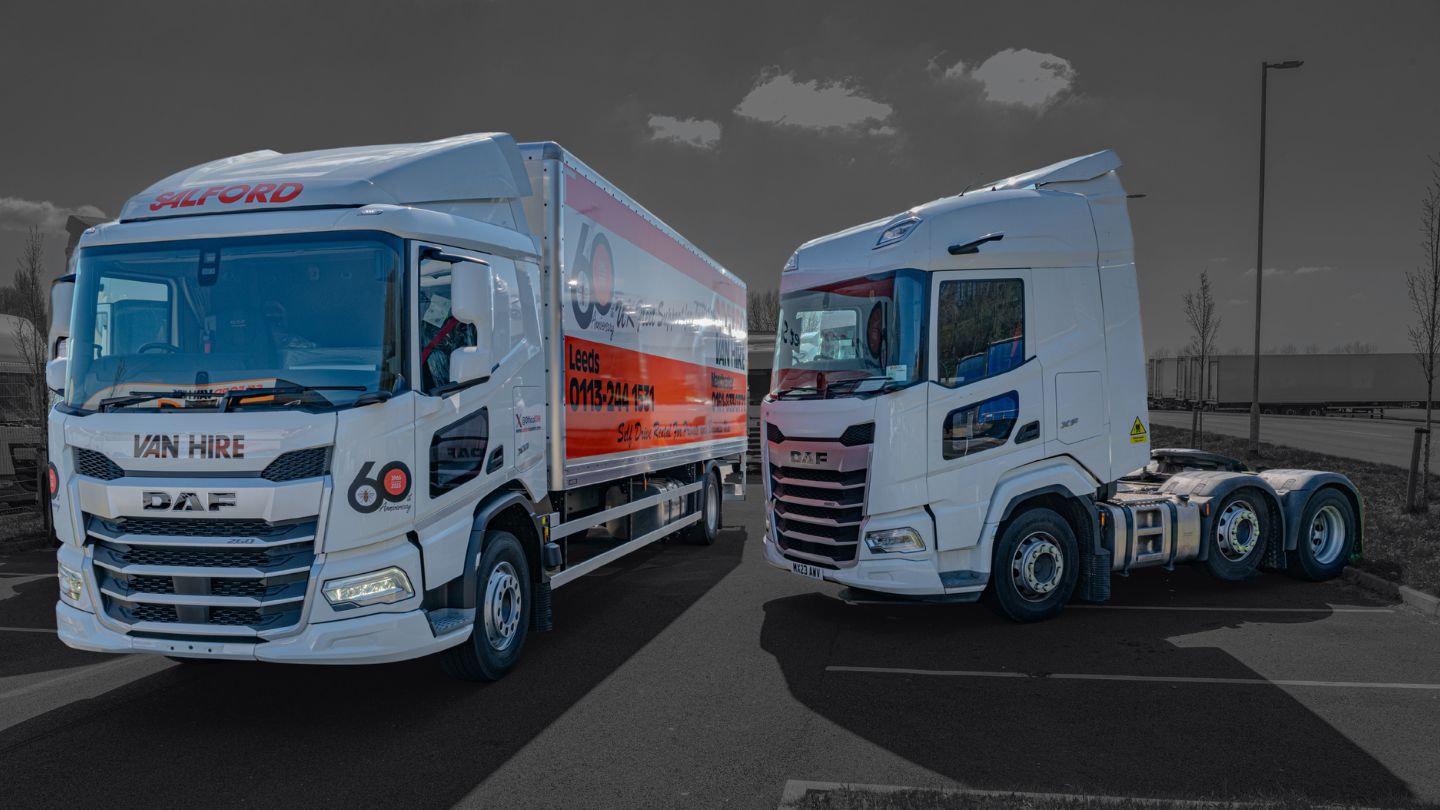
Construction sites operate on tight schedules, with multiple trades, deliveries and crews coordinated to the day. A vehicle off the road on a construction site doesn't just cost a day's hire — it cascades through the programme.
Where construction downtime really hurts
- Delayed material deliveries push out site start dates
- Plant arriving late delays whole crews
- Site labour standing idle is one of the most expensive lines on a project
- Programme slippage triggers contract penalties
- Reputational damage with main contractors
What construction fleets actually need
- Reliable vehicles that handle real loads
- The right specs (tippers, dropsides, curtainsiders, rigids, tractor units)
- Capacity for heavy materials
- Compliance‑ready vehicles for urban sites (DVS)
- Fast replacement when something fails
How SVH supports construction operators
- Full HGV range, from 7.5t rigids to 6×2 tractor units and trailers
- DVS‑compliant HGVs for London sites
- DVSA‑accredited ATF MOT testing in‑house
- Laden brake testing for real‑world safety data
- Rapid replacement vehicle access through QuickHire
The right structure for construction fleets
- CoreHire — for the vehicles you'll use across multiple projects
- OptiRent — for project‑specific or seasonal capacity
- QuickHire — for breakdowns, emergencies and short‑notice work
Why our engineering capability matters
Construction fleets often operate hard. Our 21‑acre Manchester workshop has the capacity, tooling and accreditation to keep heavy commercial vehicles in service when others can't.
Running a construction fleet? Speak to SVH about a reliability‑first plan.