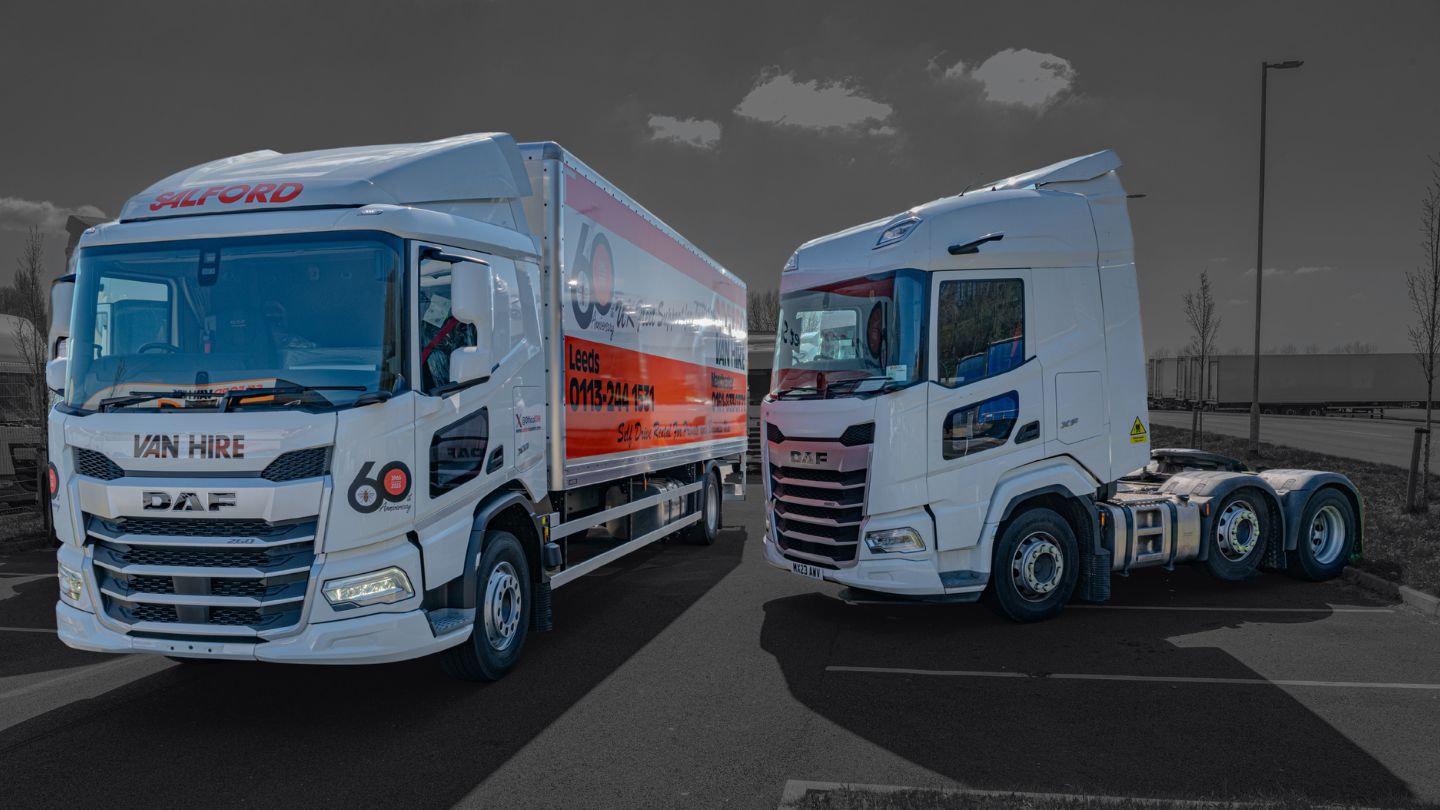
Trade vehicles aren't just transport — they're rolling workshops. Choose the wrong one and you lose hours every week to inefficient layouts, awkward access and the wrong load capacity.
What to consider for trade vehicle spec
- Load volume — the right cubic capacity for your tools and stock
- Payload — including racking and wet stock
- Access — side, rear, twin doors, kerb height
- Security — locks, deadlocks, alarms
- Driver experience — ergonomics, comfort, in‑cab tech
- Accessories — tow bars, beacons, ply lining
- Fuel/emissions — relevant for ULEZ/CAZ zones
Vehicle types most trades use
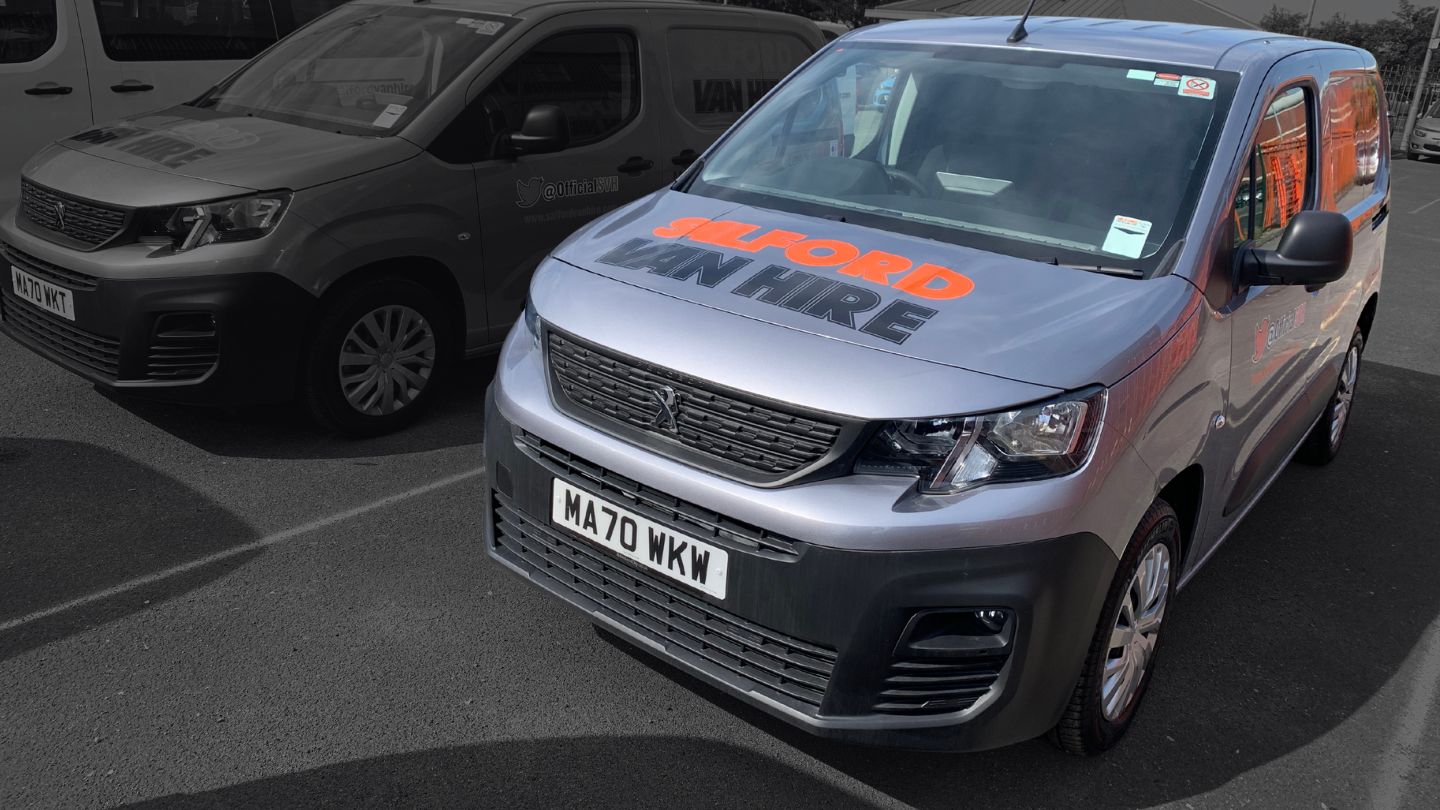
- Small vans for plumbers, electricians, gas engineers
- Medium vans for builders, joiners, decorators
- Large vans for kitchens, bathrooms, white goods
- Tippers and dropside vehicles for groundworks and landscaping
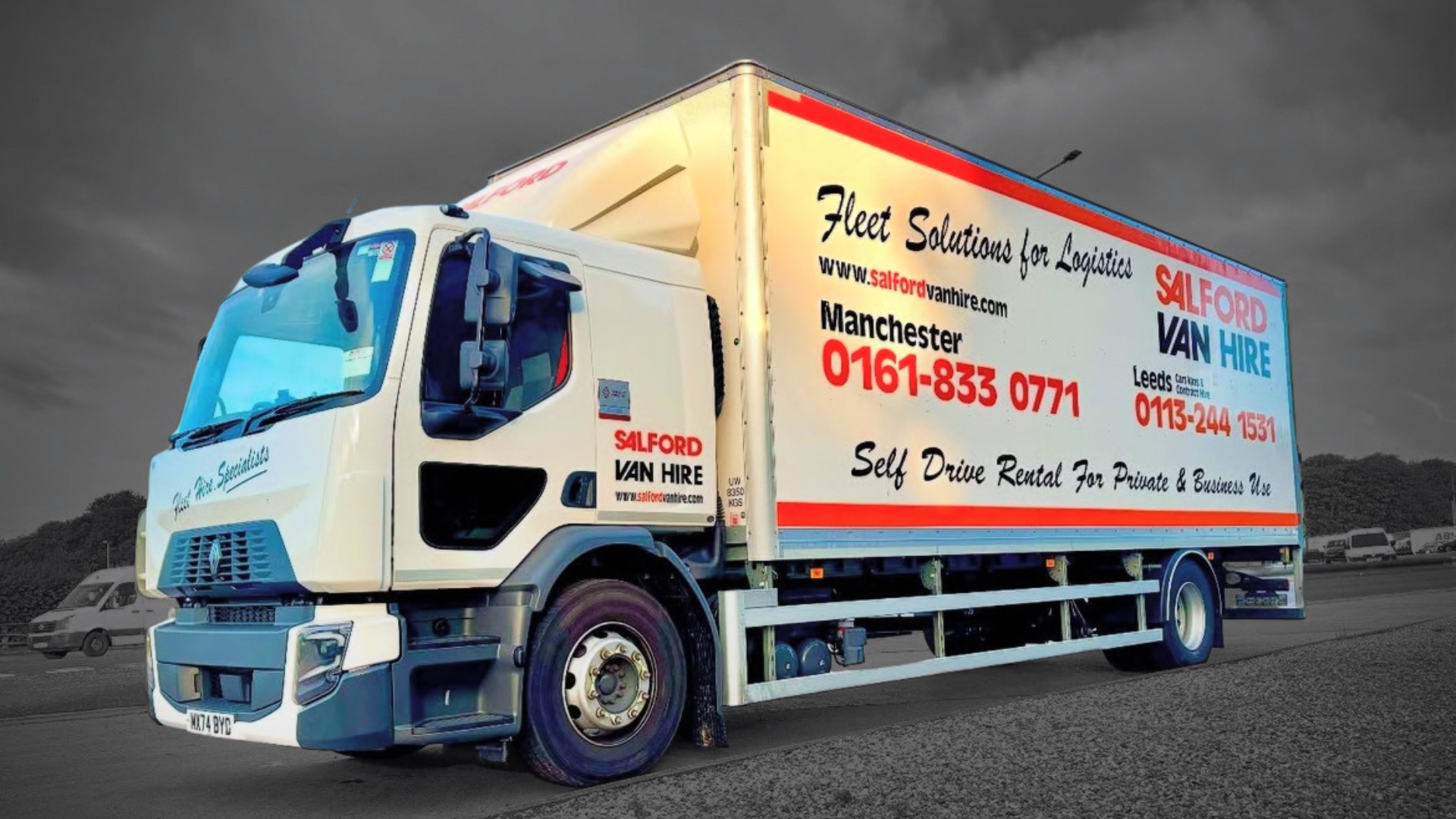
- Box vans and curtainsiders for distribution and trade counters
How SVH supports trade fleets
We hire across cars, LCVs (6cwt to 3.5t), tippers, dropsides, refrigerated vans, box vans and Luton vans — with the experience to recommend the right spec for your work.
The right structure for trade businesses
- CoreHire — for the vehicles that anchor every team
- OptiRent — for extra capacity on big projects
- QuickHire — for emergencies and short‑notice work
Compliance you might not have considered
If you're carrying tools and stock for paid work in vehicles over 3.5 tonnes, you may be in O‑licence territory. We'll flag it and help you stay compliant.
Running a trade fleet? Speak to SVH about the right vehicles for your work.